Our story
Fourteen years of making apps
For eight years we built software for other companies, while starting on products of our own. Since 2020, we have made only our own apps. This is how one led to the other, and what we learned on the way.
Before the apps, the name
Why the honey badger
Ratel is another name for the honey badger, often called the most fearless animal in the world: small and persistent, it takes on animals much larger than itself. We chose the name because we work the same way: we take on big jobs boldly, whatever their size, and see them through. Our 2018 GITEX poster called us “the honey badgers of the digital world”, and the phrase fit us well.
Persistence needs limits, though. A honey badger can slip into “we'll take any job” mode, and learning when to say no took us a few years.
- 2012
- Ratel founded
- 2014
- Zeynep Elif becomes co-founder
- 2016
- TRT Çocuk, Türk Telekom Prime
- Oct 2018
- GITEX Future Stars, Dubai
- 2020
- UPS, our last client project
Chapter I · 2012–2020
Building for others
İbrahim founded Ratel in 2012 as a small office for mobile and web software, and Zeynep Elif Özdemir became co-founder in 2014. For eight years we built apps, platforms and websites for telecoms, broadcasters, publishers, retailers and, last of all, a courier company: Türk Telekom, TRT Çocuk, Timaş, IKEA and UPS among them.
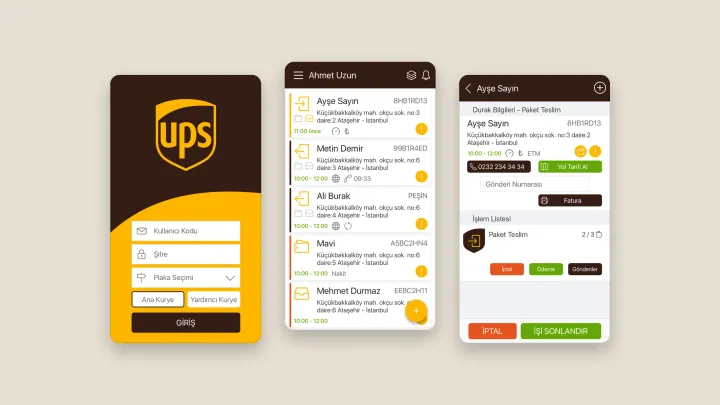

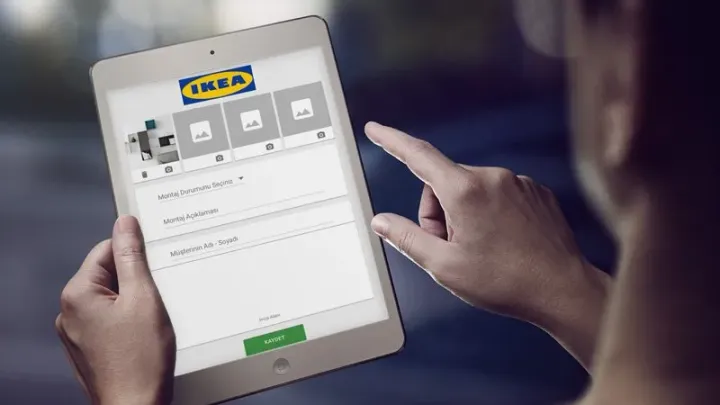
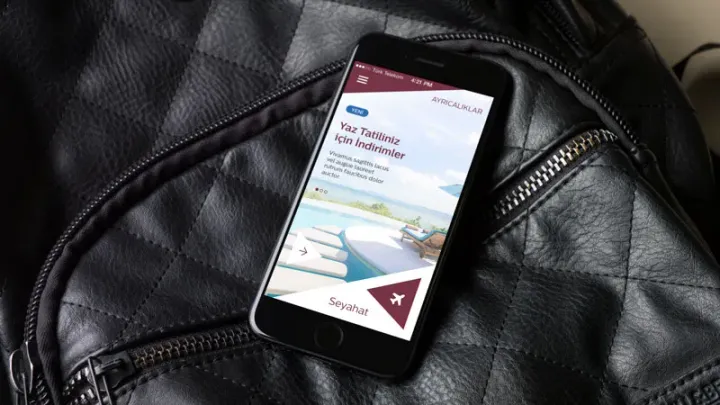

We wanted to be a product company from the start: revenue that didn't depend on winning the next client project, and apps that serve people anywhere in the world, at any hour. In October 2018 we took products of our own to GITEX Future Stars in Dubai.

- 2020
- City Widget
- 2021
- Subcap, 2021 Wallpaper
- 2023
- Podvio
- 2024
- iMemo
- 2026
- HoloGem and Nomist: seven apps today
Chapter II · 2020–today
Our own apps
We started with City Widget in 2020, the first of today's apps. Then came 2021 Wallpaper and Subcap, now our most-reviewed app, followed by Podvio, iMemo, HoloGem and Nomist.
Today our team does the whole job in-house: deciding what to build, designing the screens, writing the code and answering the support emails. Since launching Subcap we have also run our own Apple Ads and Google Ads campaigns. Our own apps have been downloaded more than four million times. We build them to run and develop for many years, and aim to grow on what they earn.

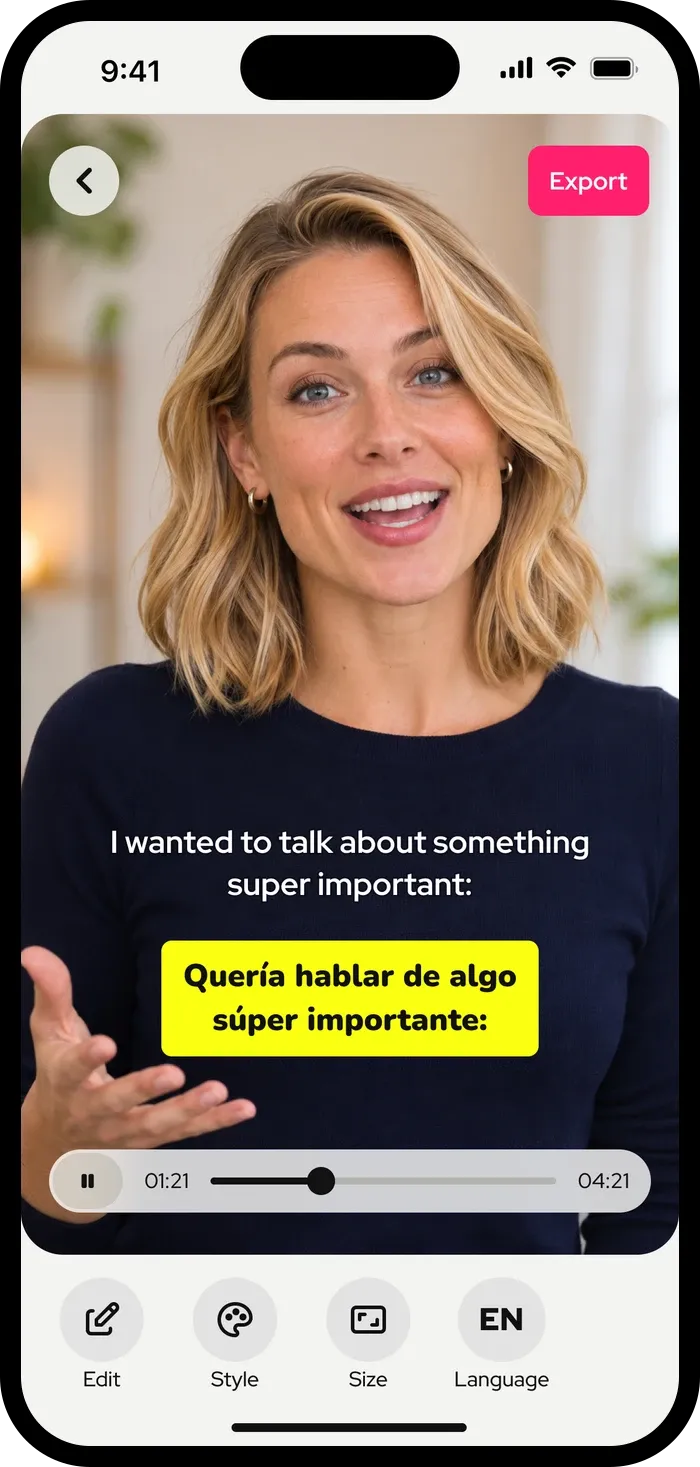
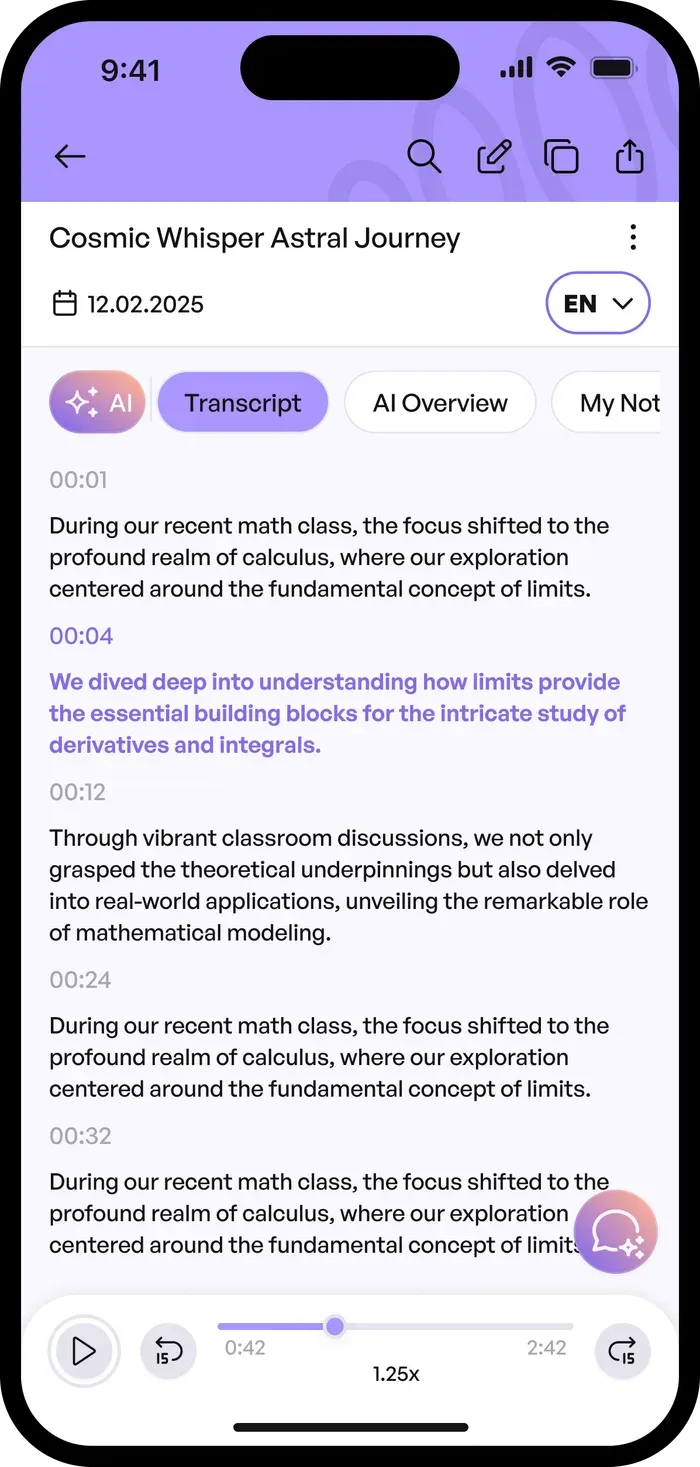
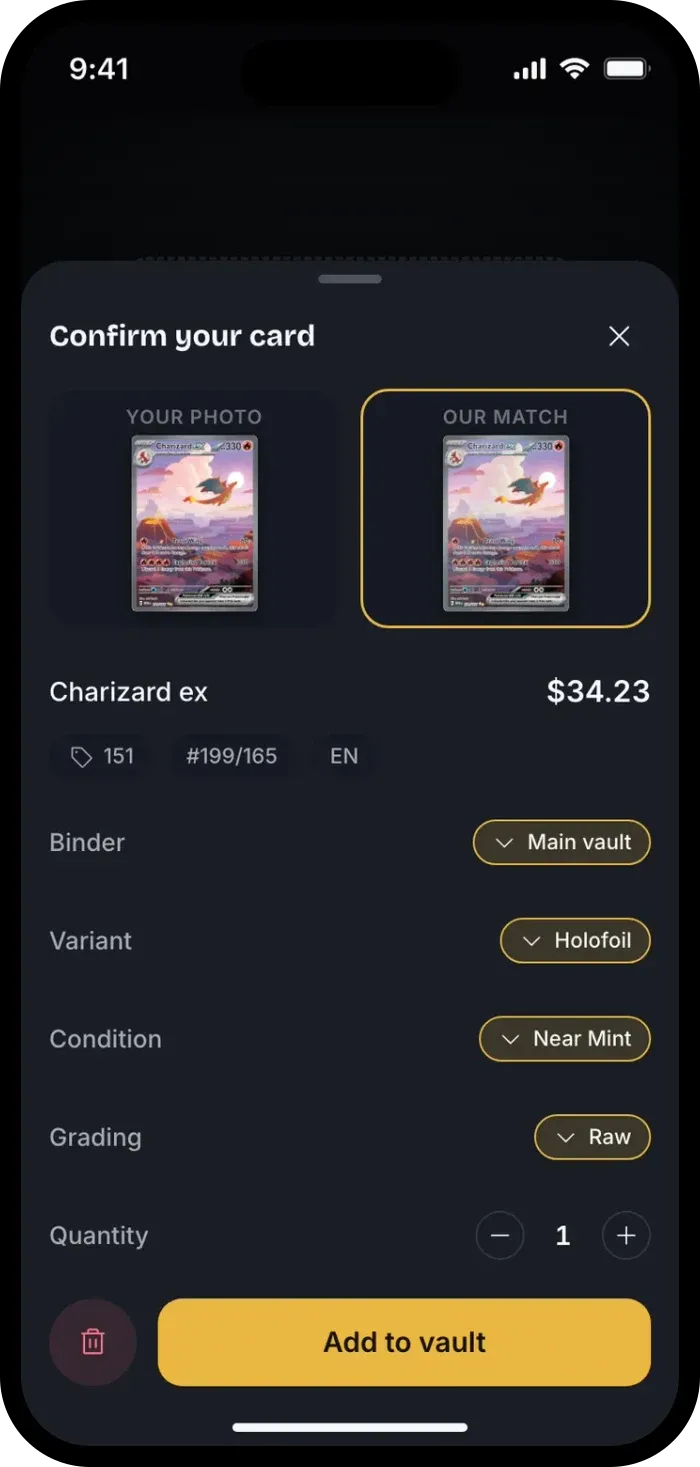
- 4M+
- downloads
- 7
- apps on the App Store and Google Play
- 14
- years of making apps
Notes
What fourteen years taught us
Most of it we learned the hard way. Where a lesson has a story behind it, we tell it.
Working with clients
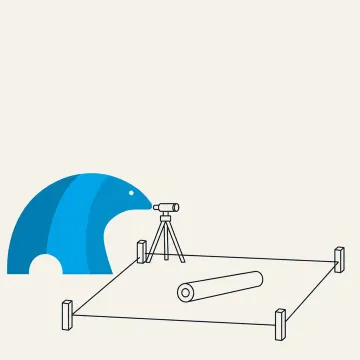
Draw the edges of the job first
Any open end can turn into a problem later. Something you do as a favour can also become your responsibility. As İbrahim's father says, we are shy to talk through every detail at the start, yet not shy to argue about it later.
How we learned it
Early on, we took on a project whose analysis we had not done ourselves. It cost us hard days, and since then we take on only work whose analysis is our own.
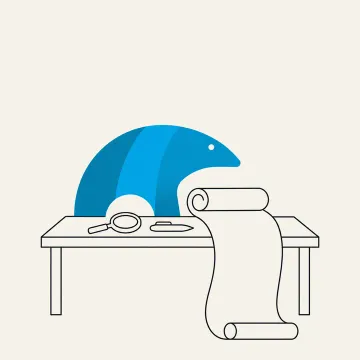
If the terms don't sit right, don't sign
“It's only a formality” stays in the meeting room; the contract stays on paper. You don't have to take every job that comes your way. And start the work after the signatures, not before.
How we learned it
We made both mistakes: we once signed terms we weren't comfortable with, and on another project we started before the signatures and ended up doing the same work twice.
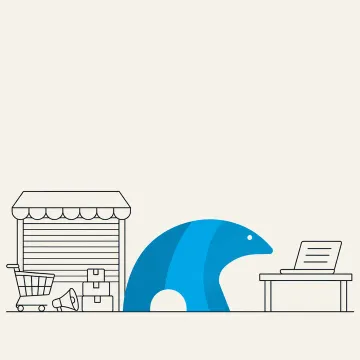
Learn to say no
The wrong project tires you more and pleases no one. Do what you know best: try to do everything and you won't be very good at any of it. A job taken only for the reference, priced below its value or on terms that didn't sit right, rarely turns into a good reference.
How we learned it
For a while, alongside software, we also offered e-commerce and social media management. It pulled us away from what we do best, and we went back to software.
Running a small company
Always have a plan B
At the end of the day it's our show, and we are responsible for it. In a company our size, no step should depend on a single person.
How we learned it
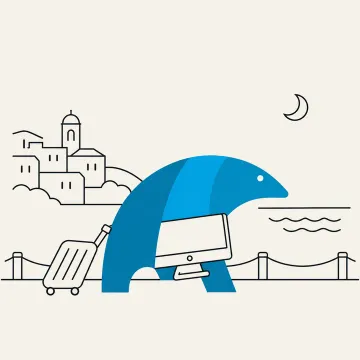
Before the delivery of TRT Çocuk's app, the developer on the project left, and we had no one to take over. İbrahim learned iOS from courses watched at double speed and took our 27-inch iMac on a trip: sightseeing by day, coding by night. The project was delivered successfully.
Own capital and investment are different games
A company built on its own capital plays for profit: it usually grows more slowly, but every decision stays its own. A company built on raising investment plays for growth: the aim is to get ready for the next round and grow, more than to make a profit now. Neither is wrong; know which game you are in.
Partnerships start with the hard conversations
Talk through every bad scenario at the start: failure, a partner leaving, closing down. When one side brings the money and the other does the work, put in writing how much will be invested, for how long, and what happens when it runs out.
How we learned it
We once had a partnership in which an investor partner brought the money and we did the work. We saw the same company through very different windows: for an investor, a company can be one asset among several; for the people building it, it is often years of work and savings. Neither view is wrong; both need to be on the table from the start.
Building a product business
Focus on one goal
Being a service company and a product company at the same time is hard: with two goals, you can lose focus very quickly. Choose one, and make the move when you can afford it.
How we learned it
Being a product company had been our idea from the start. For years we worked on our own products alongside client work, and saw how two goals pulled our attention apart. Once we had the financial means, in 2020, we moved over completely.
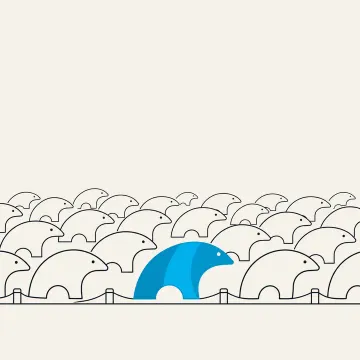
Competitors are not a reason to stop
Building something no one else offers can be riskier: if nobody is there, there is usually a reason. What matters is a problem people already have, and a way to solve it better.
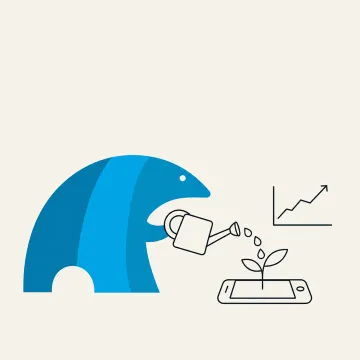
Launch is where the work starts
After launch, marketing is part of the work: measure and improve every step, from the store listing to subscription renewal. Review flows matter more than you'd think.
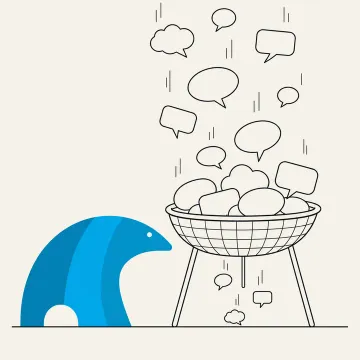
Run every idea through your own filter
Everyone's advice comes from their own context, and yours is different. Listen, then pass what you hear through your own situation and judgement; that goes for this list too. The same is true of users: build everything every customer asks for and the product loses its way. Neither you alone nor the customer alone is right. You lead: your job is to find the signal in the noise.
And now? We keep making apps. If you have built one and are looking for a partner, if you invest in mobile products, or if you want to build with us, we would like to hear from you.
Zeynep Elif & İbrahim
The founders
The founders
Zeynep Elif Özdemir
İbrahim Özdemir